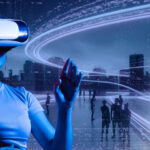

In an era where consumers are bombarded with ads, brands need to do more than just run traditional marketing campaigns. Enter Guerrilla Marketing 2.0—a new wave of unconventional, low-cost, high-impact marketing strategies that break through the noise and capture attention.
Brands today are hacking culture, leveraging technology, and using bold, disruptive tactics to engage audiences in ways that feel fresh, unexpected, and unforgettable. Let’s explore how guerrilla marketing has evolved and how brands are making a big splash with small budgets.
1. What Is Guerrilla Marketing 2.0?
Originally, guerrilla marketing focused on low-cost, high-exposure tactics, such as street stunts, flash mobs, and interactive billboards. But Guerrilla Marketing 2.0 is different. It integrates:
✔ Technology (AI, AR, VR, and social media virality)
✔ Cultural hacking (trending memes, real-time marketing, influencer collabs)
✔ Interactive experiences (gamification, digital integrations, user-generated content)
This modern approach blurs the lines between marketing, entertainment, and viral engagement, creating a lasting impression without needing a massive budget.
2. The Evolution: From Traditional to Guerrilla 2.0
🔹 Old Guerrilla Marketing:
- Street art and graffiti branding
- Flash mobs
- Sticker bombing
- Publicity stunts
🔹 Guerrilla Marketing 2.0:
✅ AI-generated viral campaigns
✅ Augmented Reality (AR) experiences
✅ Real-time meme marketing
✅ Deepfake brand storytelling
✅ Social media trend-jacking
💡 Example: Burger King’s “Burn That Ad” campaign used AR to let users digitally ‘burn’ competitors’ ads and get a free Whopper in return.
3. The Key Ingredients of a Successful Guerrilla 2.0 Campaign
To break through the noise, brands must use bold, creative, and immersive strategies. Here’s what makes Guerrilla Marketing 2.0 work:
✅ 1. Element of Surprise
Disrupt expectations with something unexpected. Shock, amuse, or engage people in a way they never saw coming.
💡 Example: IKEA placed pop-up living rooms in metro stations, letting commuters experience their furniture in real life.
✅ 2. Emotional Impact & Storytelling
The best guerrilla campaigns trigger emotions—be it humor, awe, nostalgia, or social awareness.
💡 Example: Coca-Cola’s “Happiness Machine” surprised people with free drinks and gifts from a vending machine, creating a feel-good moment that went viral.
✅ 3. Social Media Amplification
A campaign isn’t successful unless it’s shared online. Guerrilla Marketing 2.0 is designed for virality, making audiences part of the content creation process.
💡 Example: Netflix’s “Stranger Things” marketing turned city landmarks upside down with eerie red lighting, sparking mass online shares.
✅ 4. Tech Integration (AI, AR, VR)
Blending physical and digital experiences increases engagement. From AI-powered chatbots to AR filters, brands can create interactive, shareable moments.
💡 Example: Pepsi Max created an AR bus stop ad that made it look like UFOs and monsters were invading the city, leaving people stunned and filming their reactions.
✅ 5. Real-Time & Trend Hacking
Brands that jump on current trends or react to cultural moments get the most traction.
💡 Example: Oreo’s legendary tweet during the Super Bowl blackout: “You can still dunk in the dark.” Simple, timely, and viral.
4. Examples of Guerrilla Marketing 2.0 Done Right
🚀 🔹 Tinder’s “Swipe Night” Interactive Series
Tinder turned dating into a game by launching “Swipe Night,” an interactive story where users made choices that influenced their matches. The campaign drove a 26% increase in matches.
🚀 🔹 Spotify’s “Wrapped” Campaign
Spotify took user data and turned it into a personalized music story, making people excited to share their listening habits on social media. This free advertising boosted app engagement massively.
🚀 🔹 Tesla’s “No Ads, Just Elon” Strategy
Tesla spends $0 on traditional advertising, relying instead on Elon Musk’s tweets, viral stunts, and word-of-mouth buzz, proving guerrilla marketing can even work for billion-dollar brands.
5. How to Create a Guerrilla Marketing 2.0 Campaign
Want to disrupt the market creatively? Follow these steps:
🎯 Step 1: Identify a Core Message
Ask yourself:
✔ What do you want to communicate?
✔ What emotion do you want to evoke?
🎯 Step 2: Choose Your Format
- Street Activation (flash mobs, interactive billboards)
- Social Media Hack (meme marketing, viral trends)
- Tech-Driven Stunt (AI, AR, gamification)
- Influencer Collaboration (unexpected partnerships)
🎯 Step 3: Make It Shareable
Create content that people want to talk about.
✔ Encourage user-generated content
✔ Make it visually striking
✔ Keep it interactive
🎯 Step 4: Launch & Amplify
- Use social media & PR for exposure
- Engage with online communities & influencers
- React in real-time to maximize engagement
6. The Future of Guerrilla Marketing
As tech continues to evolve, expect Guerrilla Marketing 3.0 to integrate:
✅ AI-generated hyper-personalized ads
✅ Metaverse & VR-based brand activations
✅ NFT & blockchain-powered campaigns
✅ Holographic & drone-based advertising
Brands that think outside the box and embrace new technology will continue to dominate the marketing landscape.
7. Final Thoughts: Disrupt or Be Ignored
Guerrilla Marketing 2.0 isn’t about big budgets—it’s about big ideas. To break through the noise, brands must:
✔ Surprise audiences with unexpected experiences
✔ Leverage AI, AR, and social media trends
✔ Create emotional, shareable, and interactive campaigns
🚀 Is your brand ready to disrupt the market? Start brainstorming your next guerrilla move today!