
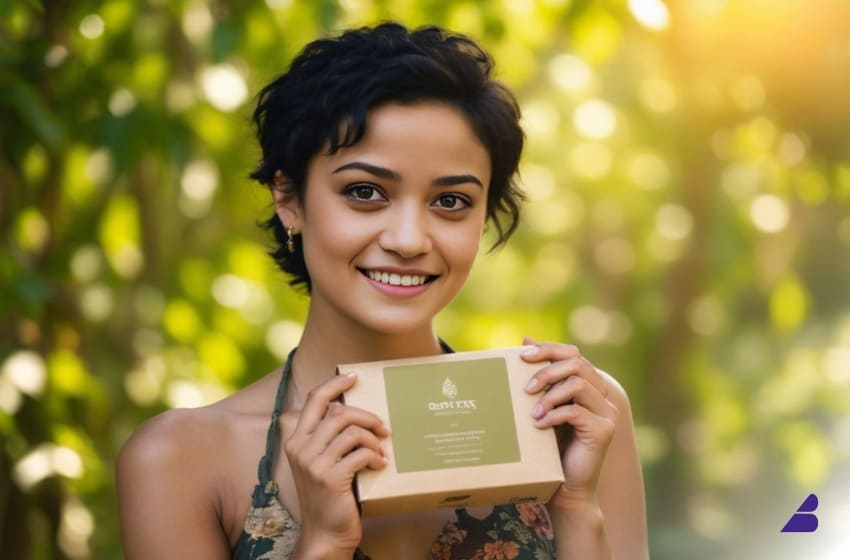
The push for sustainability has transformed the way businesses approach packaging. With rising consumer awareness, government regulations, and corporate responsibility, eco-friendly packaging is no longer just a trend—it’s a necessity.
But is it truly essential, or just another passing phase in marketing? Let’s explore why sustainable packaging is becoming a non-negotiable for brands in 2025.
1. The Consumer Shift: Demand for Sustainable Choices
🔹 72% of global consumers prefer brands that use sustainable packaging.
🔹 81% of millennials expect brands to be environmentally responsible.
🔹 Over 60% of customers are willing to pay more for eco-friendly products.
Consumers today actively seek brands that align with their values. Plastic-heavy, wasteful packaging is a deal-breaker for many buyers.
💡 Example: Brands like Lush, Patagonia, and The Body Shop have gained loyal customers by prioritizing zero-waste and recycled packaging.
🌿 Takeaway: Eco-friendly packaging is no longer optional—it’s a customer expectation.
2. The Rise of Government Regulations
Governments worldwide are implementing strict laws to reduce waste and plastic pollution.
✅ Europe: The EU’s Green Deal mandates 100% recyclable packaging by 2030.
✅ India: The Plastic Waste Management Rules limit single-use plastics.
✅ USA: Many states have banned plastic bags and Styrofoam packaging.
Companies that fail to adopt sustainable packaging may face penalties, restrictions, or bans on their products.
🌍 Takeaway: Compliance with eco-regulations is crucial to maintaining business operations in global markets.
3. Eco-Friendly Packaging: More Than Just a Buzzword
Sustainable packaging isn’t just about avoiding plastic—it’s about reducing waste, energy, and carbon footprint.
♻️ Popular Eco-Friendly Packaging Materials:
✅ Biodegradable Plastics – Breaks down naturally (e.g., cornstarch-based materials).
✅ Recycled Paper & Cardboard – Made from post-consumer materials.
✅ Plant-Based Packaging – Made from bamboo, seaweed, or sugarcane fibers.
✅ Compostable Packaging – Decomposes fully without harming the environment.
💡 Example: Coca-Cola has developed 100% plant-based plastic bottles, and Amazon is eliminating non-recyclable plastics in its packaging.
🌱 Takeaway: Sustainable packaging reduces environmental impact without compromising on functionality.
4. Cost vs. Long-Term Savings: Is It Worth It?
Many brands hesitate to switch to sustainable packaging due to higher upfront costs. However, the long-term benefits outweigh the expenses:
✔ Lower shipping costs – Lighter, minimal packaging reduces transportation expenses.
✔ Government incentives – Many countries offer tax breaks for using sustainable materials.
✔ Stronger brand loyalty – Consumers are more likely to support eco-conscious brands.
✔ Future-proofing – Businesses that adopt green packaging now will stay ahead of regulatory changes.
💡 Example: Unilever’s research shows that brands with strong sustainability commitments grow 50% faster than those without.
🌍 Takeaway: Eco-friendly packaging isn’t just ethical—it’s financially smart.
5. How to Implement Eco-Friendly Packaging for Your Brand
🚀 Ready to make the shift? Follow these steps:
✅ Evaluate Your Current Packaging – Identify wasteful elements & reduce unnecessary layers.
✅ Choose Sustainable Materials – Switch to biodegradable, compostable, or recycled options.
✅ Redesign for Minimalism – Use simple, lightweight designs to reduce material use.
✅ Educate Your Customers – Inform them on how to recycle or dispose of packaging responsibly.
✅ Partner with Green Suppliers – Work with manufacturers committed to sustainability.
💡 Example: Nike has moved towards 100% recycled shoeboxes with a minimalist design, saving thousands of tons of waste annually.
🌱 Takeaway: Sustainable packaging isn’t just about materials—it’s about rethinking your entire packaging strategy.
Conclusion: A Trend That’s Here to Stay
Eco-friendly packaging started as a trend but has now become a business necessity. With changing consumer expectations, evolving regulations, and long-term cost benefits, brands that embrace sustainability will gain a competitive edge.
💚 Is your brand ready to make the switch? The future of packaging is green!