
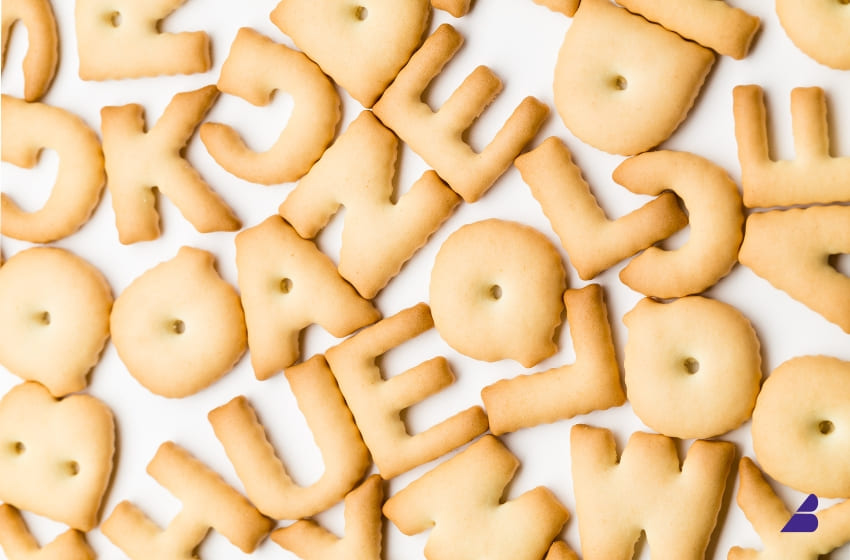
Fonts do more than display words—they shape perception, emotion, and brand identity. From luxury brands using sleek, elegant typefaces to tech startups favoring clean, modern fonts, your choice of typography influences how people perceive your business.
In this guide, we’ll explore the psychology behind brand fonts, how they affect customer behavior, and how to choose the perfect typeface to enhance your brand’s impact.
1. Why Fonts Matter in Branding
Typography plays a crucial role in brand recognition. Studies show that fonts can:
✔ Influence how trustworthy or professional a brand appears
✔ Trigger specific emotions and associations
✔ Impact readability and user experience
✔ Improve brand recall when used consistently
💡 Example: Coca-Cola’s cursive script font gives a sense of nostalgia and warmth, while Google’s clean sans-serif font emphasizes simplicity and innovation.
2. The Psychology of Fonts: What Different Typefaces Convey
Each font category carries unique psychological traits that shape a brand’s personality.
🔹 Serif Fonts (Traditional, Trustworthy, Elegant)
Serif fonts (e.g., Times New Roman, Garamond) have small decorative strokes at the ends of letters. They’re associated with heritage, reliability, and professionalism.
✅ Best for: Luxury brands, law firms, finance companies, editorial publications
💡 Example: Vogue magazine’s serif font conveys sophistication and high fashion.
🔹 Sans-Serif Fonts (Modern, Minimalist, Friendly)
Sans-serif fonts (e.g., Helvetica, Futura, Arial) lack decorative strokes, making them appear clean, modern, and approachable.
✅ Best for: Tech companies, startups, digital brands, wellness industries
💡 Example: Google and Airbnb use sans-serif fonts to feel fresh and accessible.
🔹 Script Fonts (Elegant, Artistic, Personal)
Script fonts (e.g., Pacifico, Lobster) mimic handwriting, creating a personal, elegant, or creative touch.
✅ Best for: Beauty brands, luxury products, wedding businesses, boutique shops
💡 Example: Cadillac’s cursive script reinforces its luxury image.
🔹 Display Fonts (Bold, Distinctive, Unique)
Display fonts (e.g., Impact, Bebas Neue) have strong, attention-grabbing designs, often used for headlines or branding.
✅ Best for: Entertainment brands, sports teams, innovative startups
💡 Example: Disney’s custom typeface is playful and instantly recognizable.
🔹 Monospace Fonts (Technical, Retro, Minimalist)
Monospace fonts (e.g., Courier, Consolas) give a technical, coding-inspired look, often used in tech or developer-focused brands.
✅ Best for: Tech startups, developer tools, coding platforms
💡 Example: GitHub’s branding often uses monospaced fonts to appeal to programmers.
3. Choosing the Right Typeface for Your Brand
Now that you understand the psychology behind fonts, follow these steps to choose the right one:
Step 1: Define Your Brand Personality
What emotions should your brand evoke?
- Serious & Professional? → Use a serif font
- Modern & Minimalist? → Choose a sans-serif font
- Elegant & Luxurious? → Try a script font
- Bold & Playful? → Use a display font
💡 Example: A high-end jewelry brand might opt for a serif or script font to convey elegance and sophistication.
Step 2: Prioritize Readability & Versatility
Your font should be:
✔ Easy to read (especially on mobile screens)
✔ Versatile across platforms (print, digital, social media)
✔ Distinct yet timeless (avoid overly trendy fonts that age quickly)
💡 Example: Apple’s choice of San Francisco (a clean sans-serif font) ensures readability on all devices.
Step 3: Use Font Pairing to Add Depth
Instead of using one font everywhere, combine two complementary fonts:
✔ Header Font (Distinctive, Bold) – Grabs attention
✔ Body Font (Simple, Readable) – Enhances clarity
📌 Best Font Pairing Examples:
✅ Serif + Sans-Serif (Elegant yet modern)
✅ Sans-Serif + Monospace (Tech-inspired look)
✅ Script + Serif (Luxury meets tradition)
💡 Example: A fashion brand might use a stylish script font for headlines and a clean sans-serif for product descriptions.
4. Branding Success: How the Right Font Transforms Your Business
Here’s how major brands have used typography to elevate their identity:
✔ Netflix – Switched from a bold display font to a clean sans-serif for a modern, digital-first look.
✔ Burberry – Dropped its classic serif font for a sleeker sans-serif to appeal to younger audiences.
✔ Dropbox – Rebranded using a friendlier, rounder sans-serif to signal creativity and collaboration.
Key Takeaway: Choosing the right font isn’t just a design decision—it’s a strategic branding move that affects customer perception, trust, and engagement.
Final Thoughts: The Power of Typography in Branding
Your brand’s font is its voice. Whether you want to appear authoritative, playful, luxurious, or modern, the right typeface will reinforce your message.
🚀 Ready to upgrade your brand typography? Start by testing new fonts on your website, social media, and marketing materials!